Overview of the Manaslu Circuit Trek
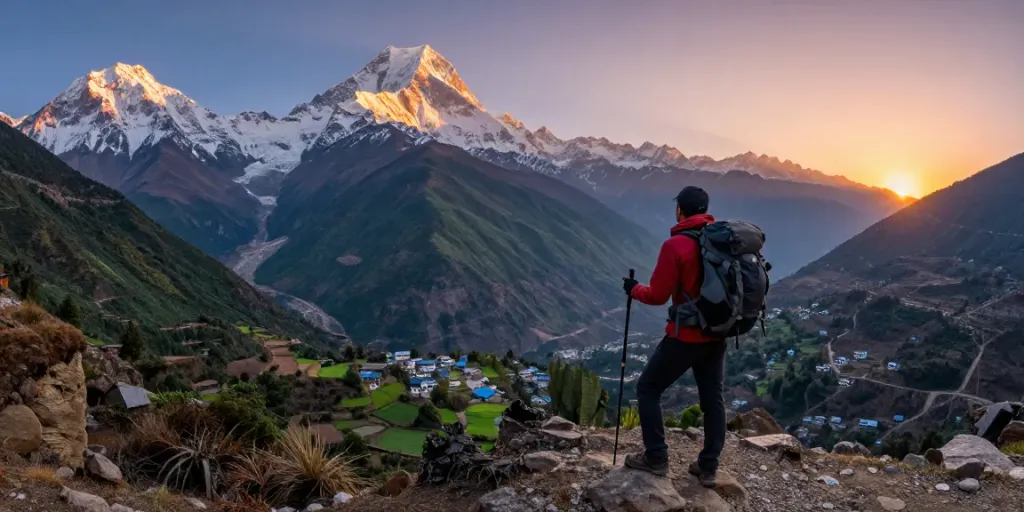
The Manaslu Circuit Trek, a remarkable journey through the heart of the Himalayas, showcases the untouched beauty of Nepal's mountainous landscapes. Spanning 15 days, this trek encircles the impressive Mount Manaslu, which stands as the eighth highest peak in the world at an elevation of 8,163 meters (26,781 feet). Nestled in the Gorkha District, this trek not only offers breathtaking views but also immerses trekkers in the rich culture and history of the area. From ancient monasteries to traditional villages, the trek provides a unique cultural experience alongside its stunning natural scenery. For those looking to explore options, Manaslu Circuit provides comprehensive insights into the trek.
What is the Manaslu Circuit?
The Manaslu Circuit is an off-the-beaten-path trekking route that allows adventurers to experience a blend of nature and culture. The trek traditionally starts at Machha Khola and reaches Dharapani, covering approximately 177 kilometers (110 miles). It traverses rugged terrain, high-altitude passes, and remote villages, making it ideal for those seeking to escape the crowded trails of more popular treks such as Everest Base Camp and Annapurna Circuit. The trek is characterized by diverse landscapes, ranging from lush valleys to arid plateaus, and offers panoramic views of several peaks, including the majestic Manaslu itself.
Historical Significance and Cultural Context
The region surrounding Manaslu has a rich history that dates back centuries, with influences from Tibetan culture evident in the local architecture and traditions. The trek allows visitors to explore the history of the area through its ancient monasteries, such as the Pungyen Gompa and the various small villages inhabited by the Gurung and Tibetan communities. The local population predominantly practices Buddhism, and one can witness the spiritual aspects of their lives through the numerous prayer flags, mani walls, and stupas that dot the landscape. This cultural immersion adds an enriching layer to the trekking experience.
Key Features of the Trek
- Scenic Beauty: The trek offers stunning views of snow-capped peaks, including Manaslu, Himlung Himal, and other majestic mountains.
- Diverse Landscapes: Experience a variety of terrains, from terraced fields and lush forests to high-altitude alpine meadows and glacial valleys.
- Cultural Interaction: Engage with local communities, learn about their traditions, and enjoy the authentic Himalayan lifestyle.
- Adventure and Challenge: The trek is physically demanding, with high-altitude passes that require good fitness levels and mental determination.
Planning Your Manaslu Circuit Adventure
Planning is essential for a successful trek on the Manaslu Circuit. Understanding the best time to visit, ensuring you have the right gear, and securing necessary permits are all important steps in your preparation.
Best Time to Trek Manaslu Circuit in 2026
The ideal times for trekking the Manaslu Circuit are during the spring (March to May) and autumn (September to November) seasons. In spring, the weather is generally mild, with clear skies and blossoming rhododendrons adding vibrant colors to the landscapes. Autumn offers stunning views of the snow-capped mountains against clear blue skies, making it an equally popular choice. Trekkers should aim to avoid the monsoon season (July to September) when the trails can become slippery and prone to landslides.
Travel Preparation and Packing Essentials
Proper preparation is key to enjoying the Manaslu Circuit Trek. Trekkers should focus on physical fitness, ideally engaging in cardiovascular activities to build stamina. A well-planned packing list is crucial, with essentials including trekking boots, a waterproof jacket, warm layers, a good sleeping bag rated for low temperatures, and sufficient hydration gear. Lightweight snacks and personal hygiene items should also be included. It’s advisable to purchase or rent any additional gear upon arriving in Kathmandu, where you can find various shops catering to trekkers.
Permits Required for the Manaslu Circuit
Since the Manaslu Circuit is classified as a restricted area, trekkers must obtain several permits. These include the Manaslu Restricted Area Permit (MRAP), the Manaslu Conservation Area Permit (MCAP), the Annapurna Conservation Area Permit (ACAP), and a Trekkers Information Management System (TIMS) card. All these permits are typically arranged through registered trekking agencies, such as Ace the Himalaya, which ensures a hassle-free start to your adventure.
Detailed Itinerary for the Manaslu Circuit Trek
The itinerary for the Manaslu Circuit Trek is designed to provide a mix of trekking, cultural experiences, and acclimatization, with the ultimate goal of successfully reaching high altitudes.
Day-by-Day Breakdown of the Trek
- Day 1: Arrive at Tribhuvan International Airport in Kathmandu and transfer to your hotel.
- Day 2: Drive to Machha Khola from Kathmandu via Soti Khola (8-10 hours).
- Day 3: Trek to Jagat (6-7 hours).
- Day 4: Trek to Deng (6-7 hours).
- Day 5: Trek to Namrung (7-8 hours).
- Day 6: Trek to Lho (3-4 hours).
- Day 7: Trek to Samagaon (3-4 hours).
- Day 8: Acclimatization day in Samagaon; optional hike to Birendra Lake and Manaslu Base Camp.
- Day 9: Trek to Samdo (3-4 hours).
- Day 10: Trek to Dharmashala (4-5 hours).
- Day 11: Cross Larkya La Pass to Bimthang (8-9 hours).
- Day 12: Trek to Goa (5-6 hours).
- Day 13: Trek to Dharapani (3-4 hours).
- Day 14: Drive back to Kathmandu (10-12 hours).
- Day 15: Depart from Kathmandu.
Highlight Days: Larkya La Pass and Samagaon
The trek's peaks come on the days leading to the Larkya La Pass and while in Samagaon. Crossing the Larkya La Pass at 5,160 meters is a significant achievement, rewarding trekkers with breathtaking views of the surrounding peaks. Meanwhile, Samagaon serves as an essential acclimatization stop where trekkers can explore Tibetan Buddhist culture and stunning landscapes.
Acclimatization and Health Tips
Acclimatization is critical to ensure a safe and enjoyable trekking experience. It’s important to recognize the signs of altitude sickness, which can include dizziness, nausea, and headache. Take the time to enjoy rest days, drink plenty of water, and respect your body's signals. Engaging in slow, deliberate movements while ascending will aid in a smoother acclimatization process.
Pricing and Inclusions for the Manaslu Circuit
Understanding the cost structure and inclusions of the Manaslu Circuit Trek is pivotal for budgeting your adventure.
Cost Breakdown for 2026
For the 2026 trekking season, prices for the Manaslu Circuit Trek typically range from $1,500 to $2,500 per person. The cost may vary based on several factors, including the size of your group, the trekking agency selected, and the included services.
What’s Included in the Trek Package?
The standard trekking package usually includes accommodations, meals during the trek, professional guides, porters, all necessary permits, and transportation from Kathmandu to the trek starting point. Additionally, expenses for any extra activities, side treks, or personal items are typically not included in the base price.
Additional Costs to Consider
While the package provides a solid base, trekkers should also budget for additional expenses. This includes extra meals in cities, drinks, snacks during the trek, and optional services such as hot showers and WiFi. Planning your budget ahead of time ensures you have a comfortable trekking experience without financial stress.
Frequently Asked Questions about the Manaslu Circuit
As you prepare for the Manaslu Circuit Trek, it's common to have questions regarding the trek's difficulty, health precautions, and local culinary options.
How difficult is the Manaslu Circuit Trek?
The Manaslu Circuit Trek is considered moderately challenging. Daily trekking durations average between 5 to 8 hours, with the highest point being the Larkya La Pass. Proper conditioning, along with pacing oneself during the trek, is key to completing this adventure successfully.
What should I know about altitude sickness?
Altitude sickness is a serious concern when trekking at high elevations. Symptoms can manifest suddenly, so it's important to be aware of the warning signs. Staying hydrated, ascending gradually, and taking rest days as needed can help mitigate risks associated with altitude sickness.
Can I trek the Manaslu Circuit solo?
Due to the restrictions in place for the Manaslu region, solo trekking is not permitted. All trekkers are required to be accompanied by a licensed guide or authorized agency, ensuring both safety and adherence to local regulations.
What culinary experiences await on the trek?
Dining during the trek offers a blend of local flavors, with traditional meals such as dal bhat (rice and lentils), momos (dumplings), and various vegetable curries. Meals are typically vegetarian, catering to the dietary preferences of trekkers while providing necessary energy for the hike.
How to ensure a sustainable trekking experience?
Sustainable trekking practices are vital in preserving the natural environment and local culture. Trekkers should aim to minimize waste, use refillable water bottles, and respect local customs. Engaging with local guides and supporting community-based initiatives also contribute to responsible tourism.