
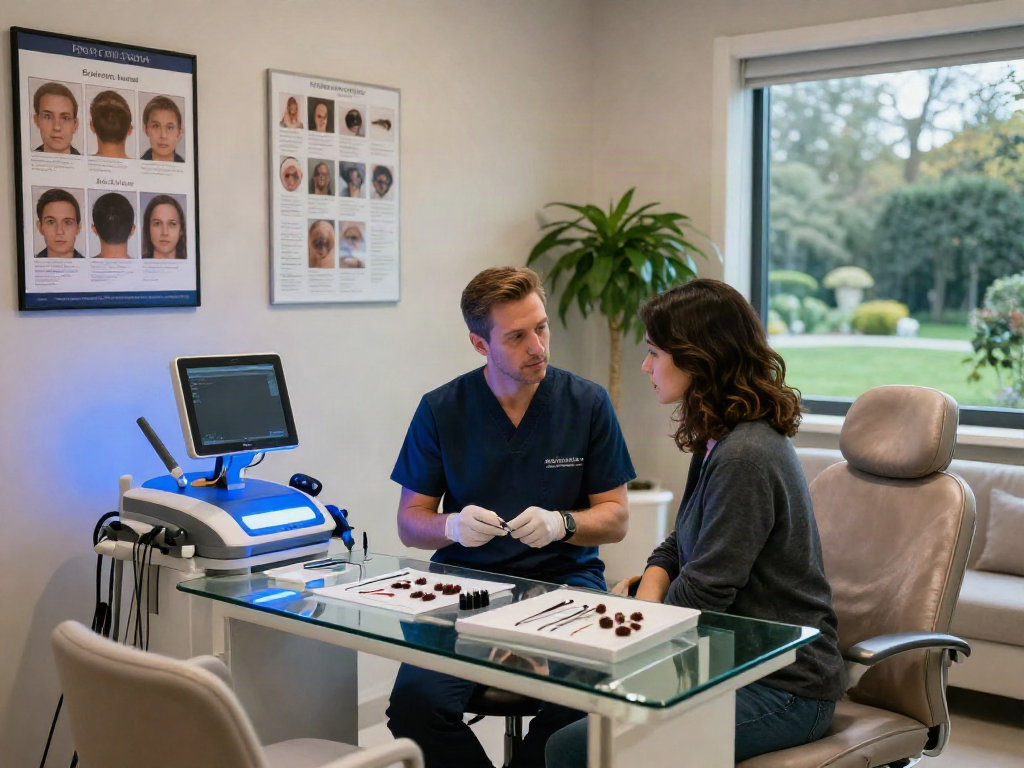
Understanding Hair Transplant Procedures
Hair loss affects millions around the world, leading many to seek out innovative solutions, one of which is hair transplantation. A hair transplant is a surgical procedure that involves moving hair follicles from a donor site to a balding or thinning area of the scalp. With the rise in popularity of this procedure, particularly in Turkey, understanding the intricacies of hair transplants is essential for potential candidates. Turkey's appeal lies not only in its advanced medical technologies but also in the competitive hair transplant turkey price which makes it a cost-effective option for many.
What is a Hair Transplant?
A hair transplant is a cosmetic procedure designed to treat baldness by redistributing hair follicles. The process entails extracting individual hair follicles from a donor site, typically at the back or sides of the scalp, and implanting them into areas with thinning or no hair. There are two primary methods of hair transplantation: Follicular Unit Extraction (FUE) and Follicular Unit Transplantation (FUT), each with its own advantages and considerations.
Types of Hair Transplant Techniques
The two most common techniques for hair transplantation are:
- Follicular Unit Extraction (FUE): This technique involves removing individual hair follicles directly from the donor area. It leaves minimal scarring and offers a quicker recovery time.
- Follicular Unit Transplantation (FUT): Also known as strip harvesting, FUT involves removing a strip of scalp from the donor area, which is then dissected into individual follicular units for transplantation. This method can result in a linear scar but allows for the transplantation of a larger number of grafts in one session.
The Science Behind Hair Restoration
The success of a hair transplant lies in understanding the biology of hair growth. Hair follicles have a natural cycle of growth, rest, and shedding. When transplanted, the hair follicles enter a shock phase, where they may initially fall out before entering a new growth phase. The survival and growth of these follicles depend on various factors, including the skill of the surgeon, the quality of the donor hair, and the post-operative care.
Cost Factors Influencing Hair Transplant Turkey Price
When considering a hair transplant, understanding the associated costs is paramount. The hair transplant turkey price can vary based on several factors, influencing the overall expenditure for patients.
Breakdown of Expenses in Turkey
The costs associated with hair transplants in Turkey typically include the following:
- Consultation Fees: Initial assessments and consultations are often included in the package but can vary by clinic.
- Procedure Costs: This is the primary cost, which can be influenced by factors such as the number of grafts needed, the technique used, and the surgeon’s experience.
- Post-Operative Care: Follow-up appointments and any necessary medications for recovery can add to the total cost.
Comparison with Global Pricing
In comparison to hair transplant prices in Western countries, Turkey offers significantly lower rates without compromising quality. For instance, hair transplants in the United States can range from $4,000 to $15,000, while in Turkey, the same procedure typically costs between $1,500 and $3,000. This price difference is a significant motivating factor for many seeking this treatment.
Quality of Care and Its Impact on Price
While the cost is a significant factor, it is essential to ensure that the quality of care is not compromised. Many clinics in Turkey are accredited and use state-of-the-art technology, which reflects on the pricing structure. Investing in a reputable clinic may result in higher initial costs, but it often leads to better outcomes and satisfaction.
Advantages of Choosing Turkey for Hair Transplants
Turkey has emerged as a hub for medical tourism, particularly in the field of hair transplants. The advantages of choosing Turkey for this procedure are multifaceted.
Expertise and Experience of Surgeons
Turkish surgeons are known for their expertise in hair transplants, having performed thousands of successful procedures. Many clinics employ highly trained professionals who keep abreast of the latest techniques and technologies, ensuring that patients receive top-tier care.
State-of-the-Art Facilities
Turkey boasts modern healthcare facilities equipped with the latest medical technologies. Many clinics focus on creating a comfortable and safe environment, enhancing the overall experience for patients.
Patient Care and Support Services
Comprehensive patient care is another hallmark of Turkish hair transplant clinics. From pre-operative consultations to post-operative follow-ups, clinics often provide thorough support services, ensuring that patients feel confident and informed throughout the process.
Case Studies: Successful Hair Transplant Outcomes
Examining real-life case studies can offer prospective patients valuable insights into the effectiveness of hair transplants in Turkey. These examples illustrate the potential for remarkable transformations.
Real Patients, Real Results
Many individuals report significant satisfaction with their hair restoration results. Patients frequently share their before-and-after photos, showcasing the dramatic changes in their appearance and self-esteem post-procedure.
Before-and-After Transformations
Transformation photos highlight the effectiveness of hair transplants. A common narrative among patients is the boost in confidence and desire to engage more in social activities following their treatment. These visual testimonials serve as powerful motivators for others considering the procedure.
Insights from Previous Clients
Feedback from previous clients often emphasizes the professionalism of the staff, the quality of care received, and the overall experience at Turkish clinics. Many patients express gratitude for the life-changing impacts of their hair transplants.
Future Trends in Hair Transplant Pricing and Technology
As technology in hair restoration continues to evolve, so too will the pricing structures associated with these procedures. Understanding future trends can help potential patients make informed decisions.
Emerging Techniques in 2026
By 2026, advancements in hair restoration techniques are expected to further improve outcomes. Innovations in robotic-assisted surgeries and regenerative medicine may enhance the precision and effectiveness of hair transplants, potentially altering cost structures as well.
How Artificial Intelligence is Changing Hair Restoration
Artificial intelligence is beginning to play a role in pre-operative assessments, helping surgeons determine the most effective treatment plans. AI-driven analytics can predict patient outcomes more accurately, influencing not only the surgical approach but also the associated costs.
Predictions for Hair Transplant Costs in the Coming Years
As demand for hair transplants continues to rise, especially in cost-effective regions like Turkey, pricing may see shifts due to economic factors and market competition. However, advancements in technology may lead to more efficient and less invasive procedures, potentially stabilizing or even reducing costs in the long run.
What are the risks associated with hair transplants?
Like any surgical procedure, hair transplants come with risks. Possible complications include infection, scarring, and poor graft survival. Understanding these risks is crucial for making an informed decision.
How long does a hair transplant last?
Typically, hair transplants yield permanent results, as the transplanted follicles are resistant to the hormonal changes that cause hair loss. However, some patients may still experience hair thinning in untreated areas over time.
What factors affect the recovery time post-surgery?
Recovery time varies based on individual health, the technique used, and adherence to post-operative care guidelines. Generally, most patients can return to normal activities within a week.
Are there financing options for hair transplants?
Many clinics offer financing options to ease the financial burden. It’s important for prospective patients to discuss available financing plans with their chosen facility.
How to choose the right clinic for hair transplants?
Selecting the right clinic involves researching accreditation, reading patient reviews, and assessing the qualifications of the surgical team. Transparency regarding procedures and prices is also significant when making a decision.