Understanding Gas Stove Repair Basics
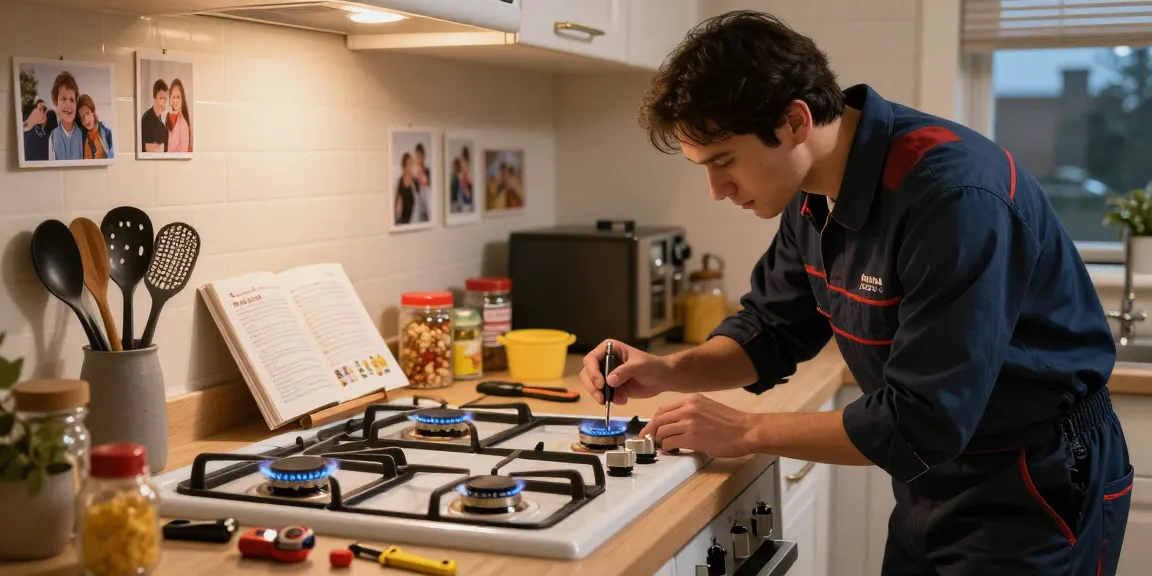
Gas stoves are a staple in many kitchens, prized for their efficiency and precise temperature control. However, like all appliances, they can develop issues over time. Understanding the common repairs associated with gas stoves is essential for any homeowner who wants to maintain their kitchen and ensure safety. When exploring options, Gas stove repair services can provide comprehensive insights into effective solutions for your appliance problems.
What are Common Issues with Gas Stoves?
Gas stoves are not without their faults. The most common issues encountered include:
- Burner Won’t Ignite: This can happen due to a clogged burner or malfunctioning igniter.
- Uneven Heating: When food is not cooked evenly, it may be due to a malfunctioning burner or an issue with the gas supply.
- Gas Smells: Any odor of gas is a serious issue, indicating leaks, which require immediate attention.
- Temperature Inaccuracy: This could result from a faulty thermostat or control valve.
- Clicking Sound: Continuous clicking sound when trying to light can indicate a problem with the igniter or its connections.
Identifying Signs It's Time for Repair
Recognizing the signs that your gas stove needs repair can save you from larger issues down the line. Some indicators include:
- Inconsistent flame height when lit.
- Burners that do not light up after several attempts.
- Foul smells coming from the unit, especially the smell of gas.
- Visible signs of wear or damage to the burner components.
Essential Tools for Gas Stove Repair
Having the right tools is crucial for effective gas stove repair. Essential tools include:
- Screwdrivers: Both flathead and Phillips for removing panels.
- Socket Set: For loosening bolts and screws.
- Multimeter: Essential for electrical troubleshooting.
- Wrench Set: Useful for gas line fittings.
- Brushes and Compressed Air: To clean out clogs and debris.
Step-by-Step Gas Stove Diagnosis Process
Diagnosing a gas stove issue involves a detailed process to ensure safety and accuracy. Follow these steps for effective diagnosis:
Initial Inspection and Safety Procedures
Before starting any repairs, safety must be your top priority. Ensure the stove is off and the gas supply is turned off. Follow these steps:
- Inspect the area around the stove for signs of gas leaks or damage.
- Check for any visible obstructions on the burners.
- Open windows to ventilate the area if you detect gas smells.
Common Diagnostic Techniques for Gas Stoves
Effective diagnosis of gas stove problems often involves several techniques, such as:
- Listening: Pay attention to unusual sounds, such as hissing or clicking.
- Smelling: Be alert for any gas smells, indicating leaks.
- Functional Testing: Light each burner to check for ignition consistency.
How to Troubleshoot Gas Supply Problems
Gas supply issues can significantly affect stove performance. Here’s how to troubleshoot:
- Check the gas line for leaks using a soap solution; bubbles indicate a leak.
- Ensure the gas supply valve is fully open.
- Inspect the regulator for blockages or damage.
DIY vs Professional Gas Stove Repair
Deciding whether to attempt repairs yourself or call a professional can be challenging. Consider the following:
When to Attempt DIY Repairs
DIY repairs are suitable for minor issues, such as:
- Cleaning clogged burners and igniters.
- Replacing knobs or surface burners.
- Tightening gas connections.
Understanding the Limits of DIY
There are critical aspects of gas stove repair that should be left to professionals, such as:
- Addressing gas leaks or the gas line.
- Replacing or repairing faulty thermostats or control valves.
- Dealing with electrical components.
Choosing the Right Professional Repair Service
When selecting a professional for gas stove repairs, consider the following:
- Check for licensing and certifications.
- Read customer reviews and testimonials.
- Inquire about warranties on parts and services.
- Ask for a clear estimate before work begins.
Preventative Maintenance for Gas Stoves
Proper maintenance can extend the lifespan of your gas stove and prevent costly repairs. Here are some essential tips:
Routine Maintenance Tasks Every Homeowner Should Know
Homeowners should perform regular maintenance tasks, including:
- Cleaning burners and ignitors monthly.
- Inspecting the gas line and connections for leaks.
- Testing the safety shut-off every six months.
How to Extend the Lifespan of Your Gas Stove
To ensure your gas stove lasts longer, consider:
- Using the stove according to manufacturer guidelines.
- Avoiding heavy pots that can stress the burners.
- Scheduling annual professional maintenance.
Safety Tips to Prevent Gas Stove Issues
Safety should always be a priority when using gas appliances. Follow these tips:
- Never leave the stove unattended while in use.
- Use the stove in a well-ventilated area.
- Regularly check for gas odors and respond immediately.
Future Trends in Gas Stove Technology and Repair
As technology advances, gas stove design and repair techniques are evolving. Here’s what to look forward to:
Innovations in Gas Stove Design and Functionality
Future gas stoves may incorporate smart technology, such as:
- Remote control functions via mobile apps.
- Automatic shut-off systems for enhanced safety.
- Advanced flame sensors for better cooking performance.
Emerging Tools and Technology for Gas Stove Repair
Repair services are also seeing advancements with tools such as:
- Digital diagnostic tools for quicker problem identification.
- Specialized cleaning kits that enhance performance.
Predictions for Gas Stove Repairs in 2026 and Beyond
In the coming years, gas stove repairs are likely to become more efficient, with a focus on:
- Increased use of smart technology for monitoring and diagnostics.
- Greater emphasis on safety and environmental considerations.
What are the common costs associated with gas stove repair?
Repair costs can vary significantly based on the issue but typically range from $100 to $300. This may include parts and labor.
Can I repair my gas stove myself safely?
Some minor repairs can be safe for DIY enthusiasts, but major repairs should always be handled by professionals to ensure safety.
How frequently should I have my gas stove serviced?
It is advisable to have your gas stove serviced at least once a year to ensure safety and performance.
What brands are most reliable for gas stoves?
Brands like GE, Whirlpool, and Bosch are known for their reliability and performance in the gas stove market.
What should I do if I smell gas?
If you detect a gas smell, immediately turn off the stove, evacuate the area, and contact professionals to inspect for leaks.