
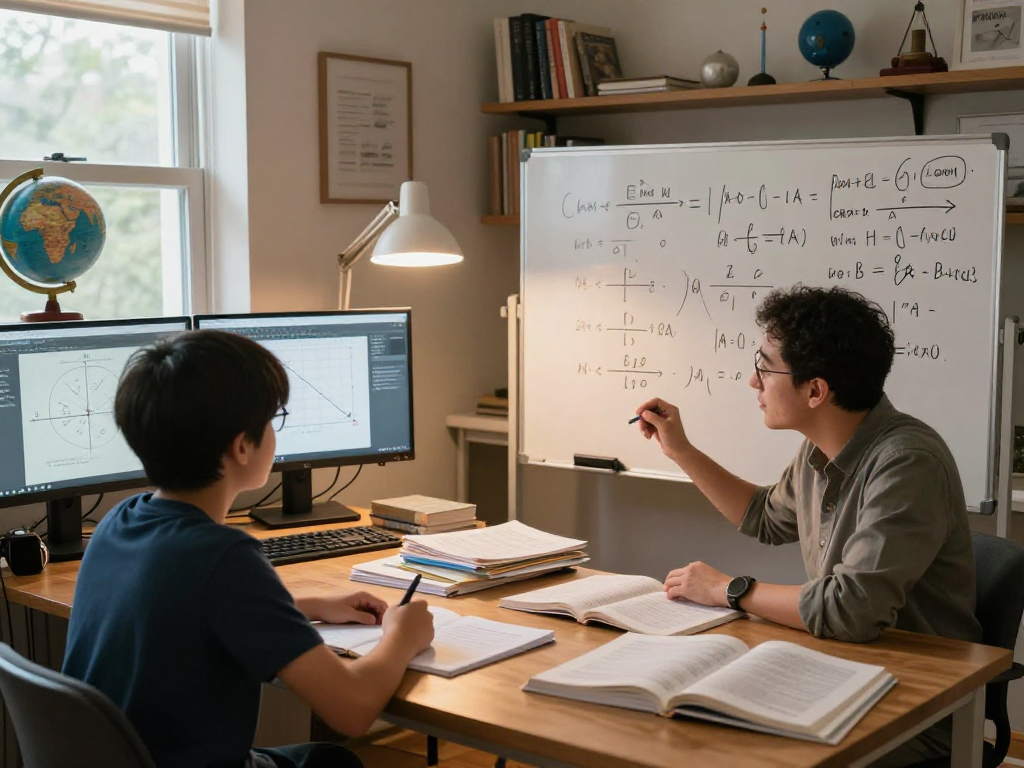
Understanding the Basics of Physics Tuition
Physics tuition is a vital resource for students aiming to deepen their understanding of the physical world. It enhances their grasp of complex concepts that often present challenges in traditional classroom settings. Engaging in one-on-one or small group physics tuition can provide tailored instruction that meets the individual needs of each student. Moreover, platforms like physics tuition can offer structured learning paths designed to cover all necessary topics effectively.
What is Physics Tuition?
Physics tuition refers to personalized instructional support designed to help students navigate the curriculum of physics. These sessions can vary in format from one-on-one tutoring to group classes, focusing on various aspects of physics, including mechanics, thermodynamics, electromagnetism, and modern physics. The main goal is to clarify concepts, reinforce classroom learning, and develop problem-solving skills, which are crucial for mastering physics.
Common Misconceptions about Physics
Many students harbor misconceptions about physics, believing it to be solely about complicated formulas and abstract concepts. This perception can discourage them from engaging fully with the subject. For instance, some may think physics is irrelevant to daily life, but in reality, it explains how everything from a falling apple to the functioning of electronic devices operates. Addressing these misconceptions through personalized instruction can help students appreciate the practical applications of physics.
Benefits of Personalized Physics Instruction
- Customized Learning: Each student has unique learning styles and paces; personalized tuition caters to these differences.
- Increased Engagement: Smaller group sizes or one-on-one sessions often lead to more interactive and engaging lessons.
- Targeted Support: Tutors can address specific areas where students struggle, ensuring a focused approach to overcoming challenges.
- Confidence Building: Personalized attention helps students feel more confident in their abilities, which often translates to improved academic performance.
Effective Learning Techniques in Physics
To excel in physics, students can benefit from various effective learning techniques that foster a deeper understanding of the material. By employing active learning strategies and integrating technology, students can enhance their comprehension and retention of complex concepts.
Active Learning Strategies for Physics
Active learning involves engaging students in the process of learning through discussions, problem-solving, and collaborative work. In physics, this can include:
- Hands-on Experiments: Conducting experiments allows students to visualize and understand physical principles in action.
- Group Problem Solving: Working in groups encourages collaborative learning and exposes students to diverse approaches to problem-solving.
- Concept Mapping: Creating visual representations of relationships between concepts can help students better understand how different topics in physics connect.
Utilizing Technology in Physics Tuition
The integration of technology in physics tuition can significantly enhance the learning experience. Tools such as simulations, online resources, and interactive software can provide students with visual and practical insights into physical concepts that are often difficult to grasp through theoretical methods alone.
How Practice Problems Enhance Understanding
Practicing physics problems is essential for solidifying understanding. The more problems students work through, the better they become at applying the concepts they've learned. Tutors can assign a variety of problems that challenge students to think critically, helping them develop the skills necessary to tackle exams and real-world applications.
Choosing the Right Tutor for Physics Tuition
Selecting the right tutor for physics tuition can significantly influence a student's learning experience. When looking for a tutor, consider their qualifications, teaching style, and how well they align with the student's learning preferences.
Key Qualities to Look for in a Physics Tutor
- Expertise in Physics: A deep understanding of the subject and experience in teaching physics is crucial.
- Good Communication Skills: The ability to explain complex concepts clearly is essential for effective learning.
- Patience and Empathy: A tutor should be patient and understanding, recognizing that students may struggle with certain topics.
Evaluating Tutor Experience and Teaching Style
Each tutor will have a unique teaching style, which can vary from lecture-based to interactive methods. It's important to evaluate how the tutor's approach aligns with the student's learning preferences. Tutoring sessions should engage the student actively rather than passively absorbing information.
Importance of Tutor-Student Compatibility
Building rapport with a tutor is essential for effective learning. A comfortable learning environment fosters open communication, enhances trust, and encourages students to ask questions without fear of judgment. Compatibility can be assessed through initial meetings or trial sessions.
Real-World Applications of Physics Knowledge
Understanding physics principles opens the door to numerous real-world applications, making the subject more relevant for students. Whether it's in technology, healthcare, or environmental science, the principles of physics govern the mechanisms behind many processes.
How Physics Integrates into Daily Life
Physics is omnipresent in our daily lives; from the way we cook food using microwave radiation to understanding the flight of an aircraft, physics explains the underlying principles. By recognizing these connections, students are more likely to appreciate the subject and stay motivated to learn.
Exploring Career Paths that Require Strong Physics Skills
Physics knowledge is foundational for several lucrative and innovative career paths, including:
- Engineering: Specializations ranging from mechanical to civil engineering rely heavily on physics principles.
- Healthcare: Roles such as medical physics or radiology require a solid understanding of physics.
- Research and Development: Positions in various tech and scientific fields often demand strong physics knowledge to innovate and solve problems.
Case Studies of Successful Students
Illustrating the impact of effective physics tuition can be done through case studies. For instance, a student who struggled with understanding electromagnetism may have significantly improved their grades after receiving targeted tuition that focused on practical applications and active problem-solving scenarios.
Future of Physics Tuition in 2026 and Beyond
The landscape of physics tuition is continuously evolving due to advances in technology and changing educational paradigms. As we look towards 2026 and beyond, it is essential to consider emerging trends that will shape the future of physics education.
Emerging Trends in Physics Education
In the coming years, we can expect a greater emphasis on personalized learning experiences, where data analytics are utilized to tailor tuition to individual student needs. This means more adaptive learning platforms that respond to a student’s progress in real time.
Impacts of Online Learning Platforms
Online learning platforms have revolutionized access to physics tuition, providing students with a wealth of resources and learning tools at their fingertips. The flexibility these platforms offer is particularly beneficial for students with varying schedules, allowing them to learn at their own pace.
Preparing for Future Scientific Challenges
With the world facing numerous scientific challenges, including climate change and technological advancements, the role of physics will be more important than ever. Students who engage in physics tuition today are being prepared to tackle these challenges by developing critical thinking and problem-solving skills.
What are the advantages of physics tuition?
Physics tuition offers numerous advantages, including personalized assistance to address individual learning gaps, improved understanding of complex concepts, and enhanced confidence in tackling challenging material. These factors contribute to better academic performance overall.
How can I find a qualified physics tutor?
Finding a qualified physics tutor involves researching local options, seeking recommendations from peers, and utilizing online platforms that connect students with experienced tutors. Evaluating their qualifications and teaching style can help ensure a good match.
What topics are typically covered in physics tuition?
Physics tuition typically covers a variety of topics including classical mechanics, electricity and magnetism, thermodynamics, waves and optics, and modern physics. Depending on the student's level, topics may also include advanced theories and applications in real-world contexts.
How does physics tuition improve academic performance?
Physics tuition improves academic performance by providing students with targeted guidance, fostering a deeper understanding of the subject, and equipping them with effective study strategies. This personalized approach leads to improved grades and a more enriching learning experience.
What resources should I use alongside physics tuition?
In conjunction with physics tuition, utilizing textbooks, online simulations, educational YouTube channels, and interactive apps can significantly enhance learning. These resources complement tutoring by providing additional practice and different perspectives on challenging concepts.