
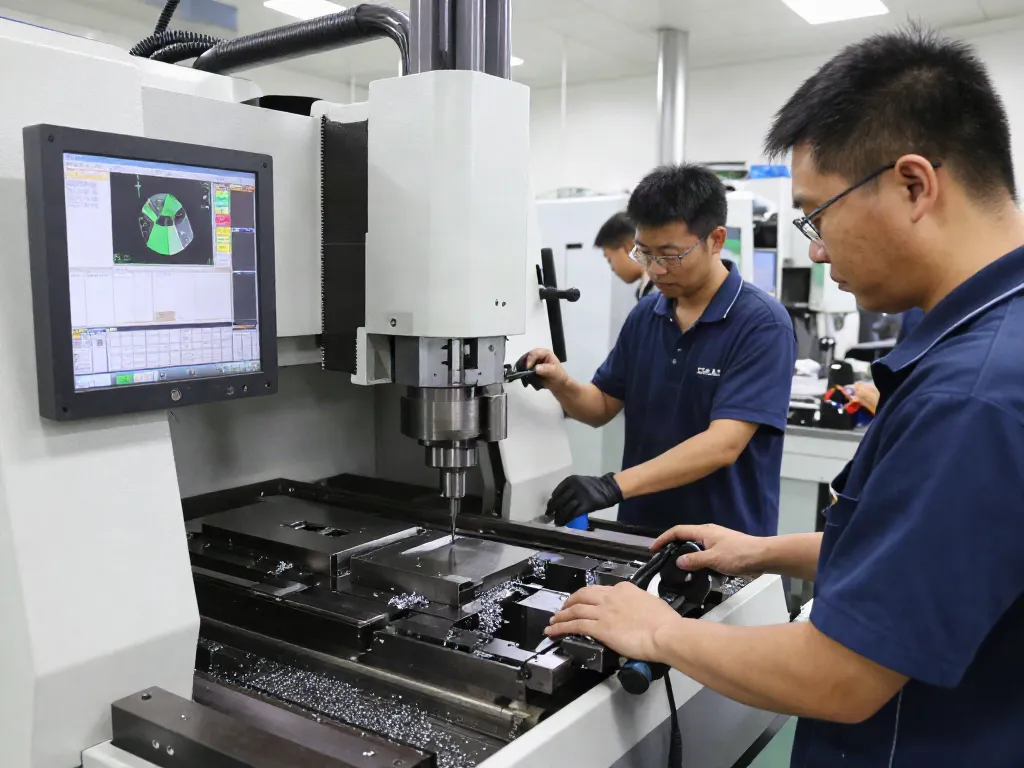
Understanding CNC Machining Parts
CNC machining parts are integral to the manufacturing landscape, enabling the production of precise and complex components across various industries. The process involves the use of computer-controlled machines to shape materials into the desired forms. This high level of accuracy ensures that products meet the rigorous standards required in sectors such as aerospace, automotive, and medical equipment. With advancements in technology, CNC machining has become more accessible, leading to an increased demand for custom solutions. When exploring options, cnc machining parts can significantly enhance your production capabilities.
What are CNC Machining Parts?
CNC machining parts refer to components created through the CNC (Computer Numerical Control) machining process. This method utilizes pre-programmed software to control the movement of machinery, allowing for precise cutting, milling, drilling, and finishing of materials. From intricate automotive parts to robust industrial components, CNC machining caters to a wide array of manufacturing needs. The versatility of CNC technology allows for both low-volume and high-volume production runs, making it suitable for prototype development as well as mass manufacturing.
The Importance of Precision in CNC Parts
Precision is critical in the manufacturing of CNC parts, as even minor deviations can lead to significant failures in the final product. Achieving high precision involves stringent quality control measures throughout the production process. It not only affects the performance and durability of the parts but also impacts the overall efficiency of the end product. Industries that rely heavily on precision, such as aerospace and medical, require CNC machined parts to be manufactured within tight tolerances, ensuring that they fit and function as intended.
Common Materials Used for CNC Machining Parts
A variety of materials can be machined using CNC technology, each offering unique properties that cater to different applications. Some of the most commonly used materials include:
- Aluminum: Lightweight yet strong, aluminum is often used in automotive and aerospace applications.
- Steel: Known for its durability and strength, steel is ideal for high-stress components.
- Plastics: Materials like nylon and acrylic are utilized for their flexibility and resistance to corrosion.
- Brass: This material is selected for its machinability and excellent corrosion resistance, making it popular for electrical components.
Challenges in CNC Machining Services
While CNC machining offers numerous advantages, it is not without its challenges. Manufacturers must navigate various issues to ensure the successful production of CNC parts.
Identifying Quality Issues in CNC Machining
Quality control is paramount in CNC machining, as any defects in the parts can lead to functional failures. Identifying quality issues requires a robust inspection process that includes statistical process control (SPC) and regular audits. Common quality concerns include dimensional discrepancies, surface finish irregularities, and material inconsistencies. Employing advanced inspection technologies, such as coordinate measuring machines (CMM), can help in pinpointing these issues early in the production process.
Overcoming Production Delays in CNC Services
Production delays can arise from various factors, including equipment malfunctions, supply chain disruptions, and inefficient workflows. To mitigate these delays, manufacturers can implement lean manufacturing principles, which focus on waste reduction and process optimization. By streamlining operations and maintaining clear communication with suppliers, CNC service providers can enhance their responsiveness and maintain production schedules.
Addressing Cost Management in CNC Machining Parts
Cost management is a significant concern in CNC machining, particularly when dealing with high-quality materials and advanced technology. Balancing the need for precision with budget constraints requires careful planning and resource allocation. Strategies such as bulk purchasing of materials, investing in efficient CNC machines, and conducting regular maintenance can help improve cost efficiency without compromising quality.
Best Practices for CNC Machining Parts Production
Implementing best practices in CNC machining can greatly enhance productivity and quality, ensuring that manufacturers stay competitive in the ever-evolving marketplace.
Choosing the Right CNC Equipment
Selecting the appropriate CNC equipment is crucial for achieving desired outcomes. Factors to consider include the type of material being machined, the complexity of the parts, and the required precision levels. Investing in modern, high-performance CNC machines can significantly improve production efficiency and part quality.
Implementing Effective Quality Control Measures
Establishing rigorous quality control measures is essential for maintaining high standards in CNC machining. This includes regular training for operators, adopting ISO quality management standards, and utilizing advanced inspection technologies. By fostering a culture of continuous improvement and accountability, manufacturers can minimize defects and enhance customer satisfaction.
Designing Efficient CAD Models for CNC Processes
Creating efficient CAD models is foundational to successful CNC machining. Designers should ensure that models are optimized for manufacturability, taking into consideration factors such as tooling accessibility, material constraints, and tolerances. Collaboration between design and manufacturing teams can lead to innovative solutions that improve production efficiency and reduce costs.
Case Studies: Successful CNC Machining Parts Projects
Examining real-world examples of successful CNC machining projects can provide valuable insights into best practices and innovative applications.
Innovative Applications of CNC Machined Parts
One notable example includes the aerospace industry, where CNC machined components are essential for aircraft performance and safety. Companies have utilized CNC technology to create lightweight, high-strength parts that enhance fuel efficiency and reduce emissions. Similarly, the medical device sector has benefited from custom CNC machined components that conform to stringent regulatory standards while enabling faster production times.
Client Testimonials and Success Stories
Customer feedback plays a critical role in refining CNC machining services. Companies that prioritize customer satisfaction often report increased loyalty and repeat business. Testimonials highlighting the quality of parts, timely deliveries, and responsive customer service can significantly boost a manufacturer’s reputation.
Lessons Learned from Industry Leaders in CNC Services
Industry leaders often emphasize the importance of adaptability and innovation. By staying abreast of technological advancements and evolving market demands, successful CNC service providers can position themselves as thought leaders in the industry. Continuous investment in research and development, as well as employee training, can significantly enhance a company’s competitive edge.
The Future of CNC Machining Parts
The landscape of CNC machining is poised for significant changes as technology continues to evolve. Understanding these trends is essential for manufacturers looking to maintain their relevance and success.
Emerging Trends in CNC Technology for 2026
As we approach 2026, several trends are likely to shape the future of CNC machining. These include the rise of additive manufacturing integration, increased automation through robotics, and advancements in artificial intelligence (AI) for predictive maintenance and production optimization. Companies that embrace these trends will likely outperform their competitors.
Impact of Automation on CNC Machining Services
Automation is transforming CNC machining by enhancing production speed and reducing labor costs. Employing automated CNC machines allows for continuous operation, minimizing downtime and maximizing output. However, this shift requires skilled personnel who can manage and maintain advanced automated systems, highlighting the importance of workforce training and development.
Future Materials and Techniques for CNC Parts Innovation
Future innovations in materials, such as composites and advanced alloys, will expand the capabilities of CNC machining. These materials offer enhanced performance characteristics, such as improved strength-to-weight ratios and resistance to extreme environments. Embracing new machining techniques, like multi-axis machining and hybrid manufacturing, will further push the boundaries of what is achievable in CNC parts production.