Introduction to Treehouses: A Modern Perspective
Treehouses have transcended their childhood allure, evolving into coveted retreats for adults seeking adventure, relaxation, and a unique escape from the hustle of daily life. In recent years, the idea of spending a night, or even longer, nestled among the branches has gained significant popularity. This resurgence in interest is driven by a yearning for connection to nature, creativity in design, and the embrace of sustainable living. As we delve into the world of treehouses, we will explore why they have captured the imagination of so many and how they are adapting to modern needs.
What Makes Treehouses Appealing Today?
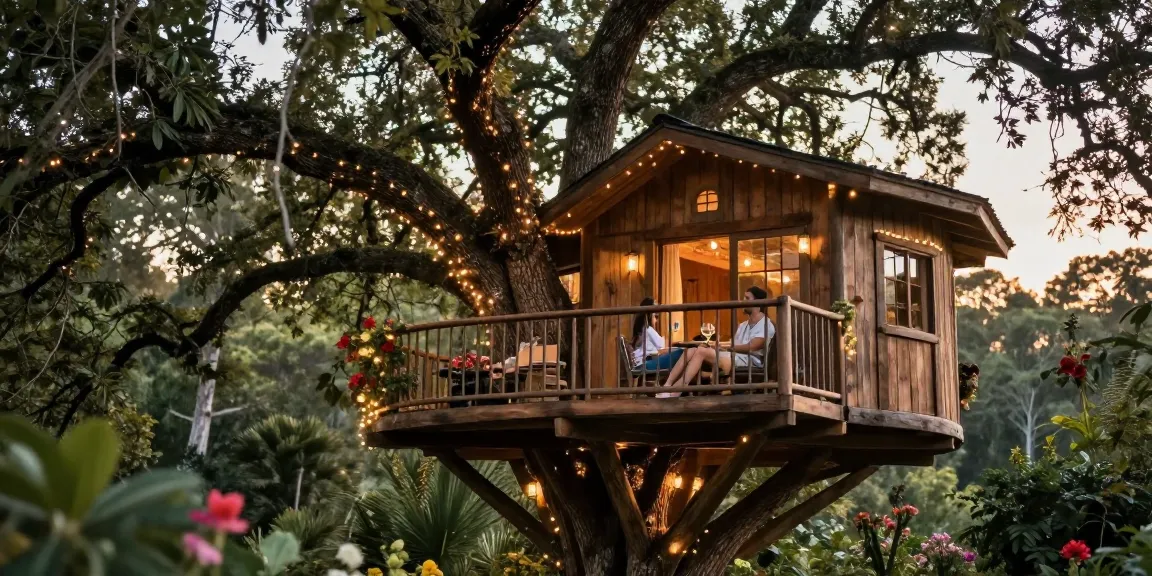
Today’s treehouses appeal to a wide range of individuals, from families looking for a unique holiday to couples seeking romantic getaways. The allure lies in their ability to combine adventure with comfort. With stunning views, privacy, and a sense of nostalgia, treehouses provide an experience that traditional hotels often lack. Many treehouses are thoughtfully designed to blend seamlessly with their surroundings, offering guests the chance to reconnect with nature.
The Evolution of Treehouse Design
The design and construction of treehouses have come a long way from the simple wooden platforms of childhood. Nowadays, architects and builders incorporate cutting-edge techniques and materials to create treehouses that are not only visually stunning but also structurally sound. Contemporary treehouses range from minimalist structures to luxurious accommodations complete with bathrooms, kitchens, and even hot tubs. This evolution reflects broader trends in architecture that value sustainability and innovative design.
Treehouses as Sustainable Living Solutions
As the world grapples with environmental challenges, treehouses stand out as a symbol of sustainable living. Many modern builders employ eco-friendly materials, such as reclaimed wood and sustainable composites, to reduce their ecological footprint. Additionally, treehouses often rely on solar power, rainwater harvesting, and composting toilets, making them a perfect example of how we can live harmoniously with nature while minimising resource consumption.
Building Your Dream Treehouse: Key Considerations
Constructing a treehouse, whether for personal use or as a rental property, requires careful planning and consideration. From selecting the right location to ensuring safety, there are several critical factors to keep in mind.
Choosing the Right Location
The location of your treehouse can determine its usability and appeal. Look for sturdy trees with ample space, away from power lines and potential hazards. Additionally, consider the view; a treehouse perched high above provides an incredible vantage point for natural beauty and wildlife observation.
Materials and Sustainability Practices
Opting for sustainable materials not only benefits the environment but can also enhance the aesthetic of your treehouse. Utilise locally sourced wood, recycled metals, and eco-friendly insulation to create a space that is both beautiful and sustainable. Collaborate with experts in sustainable design to ensure that your treehouse adheres to green building practices.
Designing for Safety and Accessibility
Safety is paramount when constructing a treehouse, particularly for families with children. Ensure that all structural components are robust and use non-slip surfaces for walkways and ladders. Furthermore, consider accessibility for all potential users; incorporating features such as wide staircases and adequate railings can make your treehouse enjoyable for everyone.
Treehouses and the Experience Economy
In today's economy, experiences often hold more value than material possessions. Treehouses offer a unique opportunity to tap into this trend by providing memorable stays that guests will cherish.
Treehouses as Unique Vacation Rentals
As travel trends shift, more people are seeking unique accommodations that offer something beyond the ordinary. Treehouses fit this bill perfectly, providing guests with a one-of-a-kind experience that blends adventure with relaxation. Properties offering treehouse rentals can attract a diverse clientele, from families and couples to solo travellers looking for solace in nature.
Community Engagement and Educational Opportunities
Treehouses can serve as platforms for environmental education and community engagement. By hosting workshops, school field trips, or team-building retreats, owners can foster a deeper connection between guests and nature. Such initiatives not only enhance the treehouse experience but also encourage a sense of stewardship for the environment.
Creating Memorable Experiences for Guests
The key to a successful treehouse rental is to create memorable experiences for guests. This can be achieved through thoughtful amenities like cozy bedding, local artisanal snacks, and outdoor activities like zip-lining or guided hikes. Tailoring experiences to individual preferences can lead to excellent reviews and repeat bookings, ensuring the longevity of your treehouse venture.
Innovative Trends in Treehouse Architecture
As we look to the future, treehouse design continues to evolve, embracing innovative trends that cater to modern sensibilities.
Future Technologies in Treehouse Construction
The integration of advanced technologies into treehouse construction is becoming more prevalent. This includes the use of prefabricated components that reduce construction time and waste. Furthermore, technology such as 3D printing is paving the way for bespoke designs, allowing for greater creativity and individuality in treehouse architecture.
Smart Home Features for Modern Treehouses
Incorporating smart home technology into treehouses is not just about luxury; it’s about convenience and efficiency. From smart thermostats to automated lighting systems, these features can enhance the living experience while promoting energy efficiency. Imagine controlling your treehouse environment with just a tap on your smartphone or tablet.
Integrating Nature with Modern Comforts
The key trend in treehouse design is to harmoniously blend natural elements with modern comforts. This can be achieved through expansive windows that provide panoramic views, outdoor living spaces that extend the indoors out, and using natural hues and materials in interior design. Such integration promotes a sense of peace and well-being, allowing guests to truly relax in nature’s embrace.
Looking Ahead: The Future of Treehouses in 2026 and Beyond
As we approach 2026, the future of treehouses looks promising, with several trends poised to shape their development.
Predicted Trends in Treehouse Travel and Tourism
The tourism industry is likely to continue embracing treehouses as unique accommodations. As more travellers seek authentic and immersive experiences, the demand for treehouse stays will only grow. This presents a fantastic opportunity for owners to invest in unique features and create themed treehouse experiences that elevate their appeal.
Environmental Impact and Green Building Initiatives
With increasing awareness of climate change and its impact, treehouses will likely play a significant role in promoting green building initiatives. The focus on sustainable materials and practices will continue to rise, setting a standard for eco-conscious living that future generations can uphold.
How Treehouses Will Shape Outdoor Living Spaces
As outdoor living becomes increasingly popular, treehouses will serve as a model for blending indoor and outdoor experiences. Designs that incorporate green roofs, living walls, and open-air spaces will revolutionise how we perceive and utilise our outdoor living environments, making them extensions of our homes rather than separate entities.
What is the average cost of building a treehouse?
Building a treehouse can vary greatly in cost, depending on size, materials, and design. On average, simple treehouses may cost between £2,000 to £10,000, while more elaborate designs can exceed £20,000. Planning and budgeting carefully will help set realistic expectations.
Can you legally build a treehouse in your backyard?
Legal requirements for building a treehouse depend on local zoning laws and building codes. Many areas permit treehouses as play structures without the need for permits, but it’s wise to check with local authorities to avoid potential issues.
What maintenance do treehouses require?
Regular maintenance is essential to ensure the longevity of a treehouse. This includes inspecting and treating wooden components for pests and rot, maintaining safety features, and ensuring that utilities, if applicable, are functioning correctly.
Are treehouses suitable for year-round living?
While many treehouses are designed as seasonal rentals, with adequate insulation and heating options, some can be engineered for year-round living. Climate considerations, insulation standards, and utilities play critical roles in determining feasibility.
How do I find treehouse rentals near me?
Finding treehouse rentals is easier than ever, with numerous online platforms dedicated to unique stays. Websites like Airbnb and specialised treehouse rental platforms offer comprehensive listings, allowing you to find the perfect retreat in your desired location.