Understanding Water Heater Needs in Fort Worth
When considering water heater replacement Fort Worth, it's essential to evaluate your specific hot water needs, the types of available systems, and the common issues that necessitate a replacement. Water heaters are critical components of any household, providing comfort and convenience in daily tasks such as bathing, cooking, and cleaning. This guide aims to help Fort Worth residents make informed decisions about their water heater needs for 2026 and beyond.
Identifying Types of Water Heaters Available
There are several types of water heaters available on the market, each with its own advantages and disadvantages. The most common types include:
- Tank Water Heaters: These traditional models store hot water in a tank, typically ranging from 20 to 80 gallons. They are often less expensive upfront but can be less energy-efficient.
- Tankless Water Heaters: Also known as on-demand water heaters, these systems heat water as needed, eliminating the need for a storage tank. They offer increased efficiency and are ideal for smaller spaces.
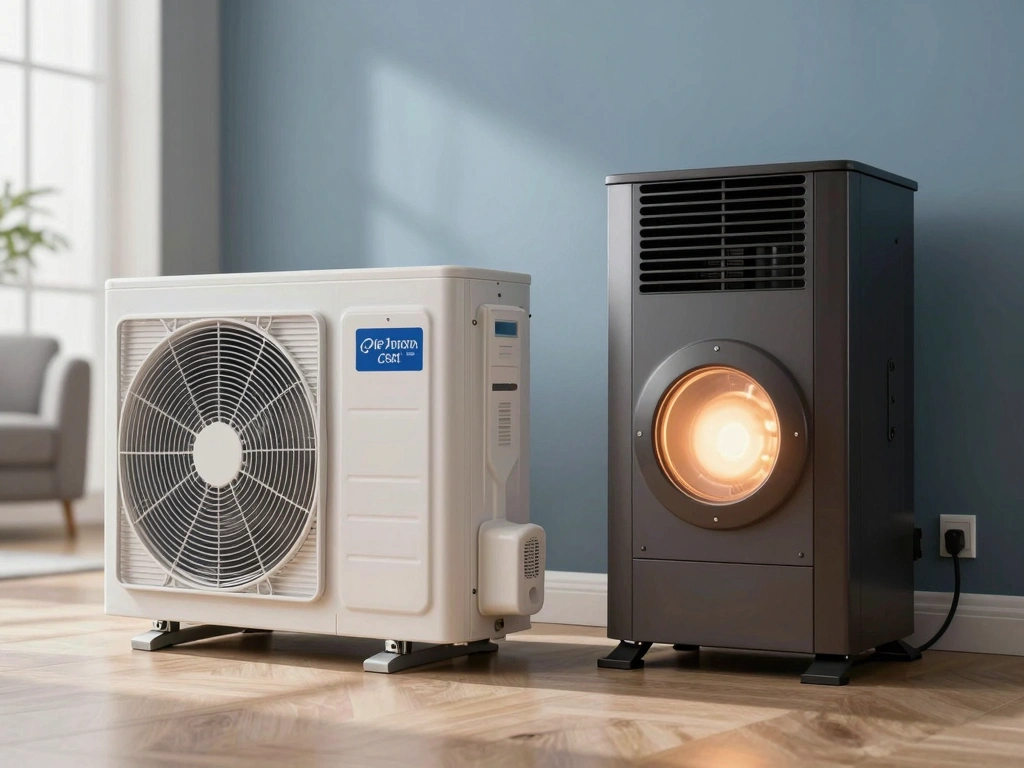
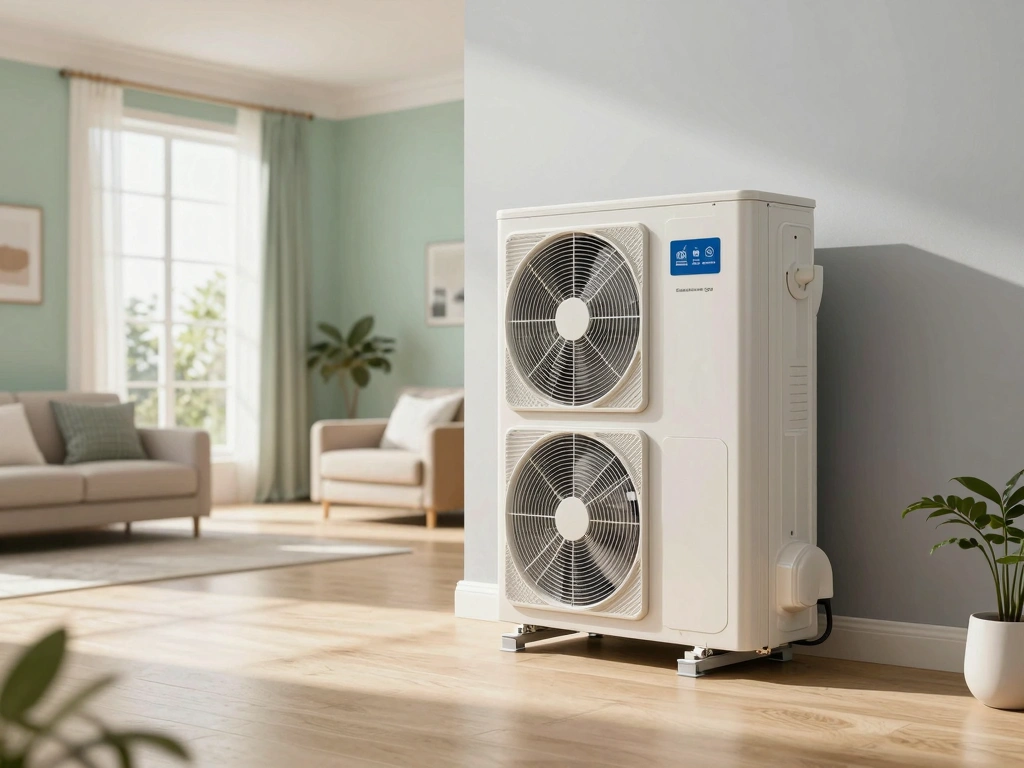
- Heat Pump Water Heaters: These units utilize electricity to transfer heat from the air or ground to heat water. They are highly energy-efficient and work best in moderate climates.
- Solar Water Heaters: Utilizing energy from the sun, these systems have the potential to significantly reduce energy bills. However, they require proper installation and may not be suitable for all homes.
Assessing Your Home’s Hot Water Requirements
To select the right water heater, homeowners must assess their hot water needs. Consider factors like family size, peak demand times, and the simultaneous use of hot water across multiple outlets. For instance, a family of four may require a larger tank water heater or a robust tankless system to ensure everyone can shower simultaneously. Proper evaluation will prevent you from purchasing an undersized or oversized unit, both of which can lead to inefficiencies or inadequate hot water supply.
Common Issues Prompting Replacement
There are various signs that indicate it may be time to replace your water heater, including:
- Age: Most water heaters have a lifespan of 8-12 years. If yours is nearing or has surpassed this age, it might be time for a replacement.
- Fluctuating Temperatures: If you notice inconsistent water temperatures or frequent temperature fluctuations, it could indicate failing heating elements.
- Leaks or Rust: Puddles around the heater, rust on the tank, or water stains indicate potential failures that warrant immediate attention.
- Strange Noises: Rumbling or popping sounds can suggest sediment buildup, which may lead to leaks or failures if not addressed.
Emerging Trends in Water Heater Technology for 2026
As technology evolves, so do water heating solutions. Keeping an eye on emerging trends can help homeowners make better decisions regarding replacements.
Advancements in Energy Efficiency Standards
New regulations are tightening energy efficiency standards for water heaters. By 2026, many manufacturers will need to comply with stricter guidelines, leading to the introduction of more efficient models that can significantly reduce energy consumption and lower utility bills.
Smart Water Heater Systems and Their Benefits
Smart water heaters connected to home networks allow for remote monitoring and control through smartphones. These units can provide data on usage patterns, helping homeowners optimize their hot water consumption, predict issues, and schedule maintenance.
Eco-Friendly Options Gaining Popularity
More consumers are seeking environmentally friendly options when replacing their water heaters. Solar-powered systems and heat pump water heaters are gaining traction as they utilize renewable energy sources, reducing reliance on fossil fuels and lowering carbon footprints.
The Process of Water Heater Replacement
Replacing a water heater can seem daunting, but understanding the process can simplify it. Here are the critical steps involved in the replacement journey.
Steps to Prepare for Replacement
Before replacing your water heater, perform the following steps:
- Identify your water heating needs and preferences.
- Research different models and technologies available.
- Set a budget for both purchase and installation costs.
- Choose a reliable plumbing contractor to ensure quality installation.
Choosing the Right Contractor in Fort Worth
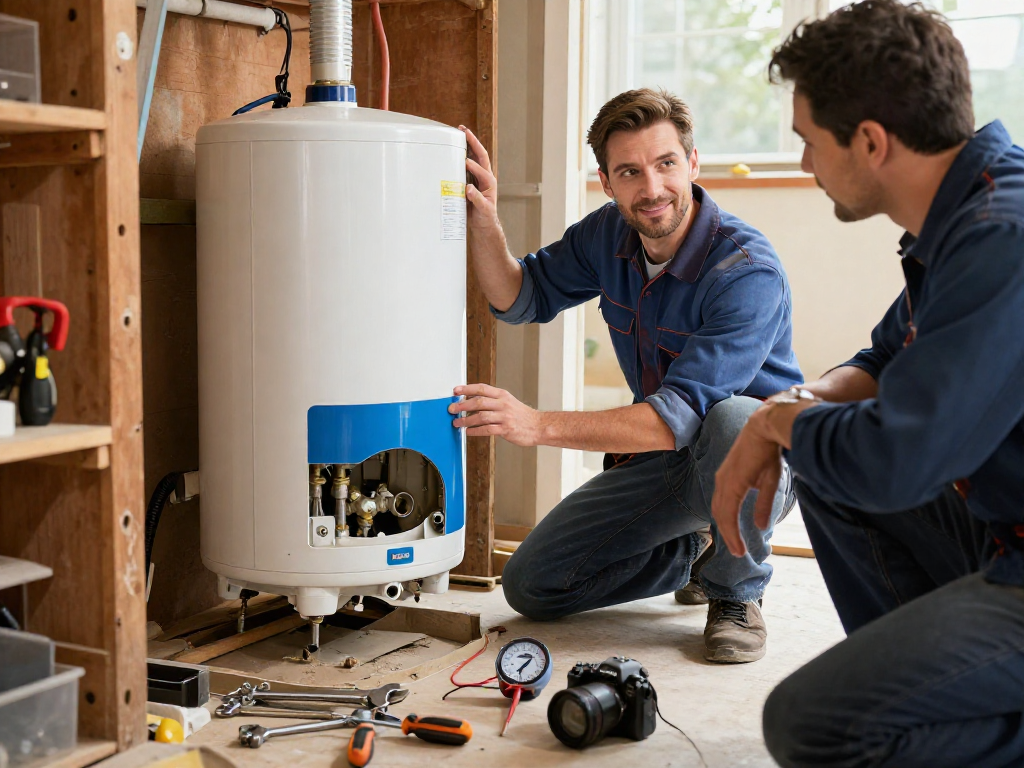
Selecting a qualified contractor is paramount for a successful water heater replacement. Look for licensed, insured, and experienced professionals in Fort Worth. Reading customer reviews and seeking recommendations can also help you find a trustworthy contractor.
What to Expect During Installation
During installation, you can expect the contractor to:
- Disconnect and safely remove the old water heater.
- Install the new unit according to local codes and regulations.
- Test the system to ensure it operates correctly.
- Provide guidance on ongoing maintenance to prolong the heater’s lifespan.
Cost Considerations for Water Heater Replacement
Understanding the costs associated with water heater replacement is crucial for budgeting effectively.
Average Costs of Different Systems
The costs vary widely based on the type of water heater:
- Tank water heaters typically range from $500 to $1,500.
- Tankless systems can cost between $1,000 and $3,000, including installation.
- Heat pump water heaters might set you back $1,200 to $2,500.
- Solar water heaters usually exceed $3,000, depending on system size and installation.
Understanding the Value of Professional Installation
While DIY installation might seem appealing, hiring professionals ensures adherence to safety measures, proper setup, and longevity of your system. Professional installation might come with a higher initial cost but can save money in the long run by preventing future repairs.
Incentives and Rebates for Energy-Efficient Models
With a growing focus on sustainability, many utility companies and government programs offer incentives and rebates for installing energy-efficient water heaters. Research local programs to maximize potential savings on your water heater replacement.
Future-Proofing Your Water Heating System
Investing in a water heater is not just about immediate needs; it's also about future-proofing your home for years to come. Here are some strategies to ensure your system continues to perform optimally.
Maintaining Your New Water Heater
Routine maintenance is essential for extending the life of your water heater. Implement regular tasks like:
- Flushing the tank annually to remove sediment buildup.
- Inspecting the anode rod every few years to prevent rust.
- Checking for leaks and ensuring the pressure relief valve functions properly.
Signs Indicating the Need for Future Replacements
Stay vigilant for signs that might indicate an impending replacement. In addition to the previous section’s issues, watch for:
- Increased energy bills.
- Uneven hot water distribution throughout the home.
- Unusual smells or discolored water, which may indicate corrosion.
Preparing for Upcoming Technological Improvements
As technology continues to evolve, being informed about new advancements can help you stay ahead. Research the latest water heating technologies and consider how they might benefit your household.
What are the best water heater brands for replacement?
Some leading brands include Rheem, A.O. Smith, Bosch, and Bradford White. These manufacturers are known for their reliability and energy-efficient models.
How long does a water heater typically last?
On average, traditional tank water heaters last 8-12 years, while tankless models can last 20 years or more with proper maintenance.
What are signs that I need to replace my water heater?
Signs that indicate a potential need for replacement include leaks, strange noises, a rusty appearance, or inadequate hot water supply.
How can I choose the right size water heater?
To choose the right size, consider the number of people in your household and peak demand periods. Online calculators can help estimate the right capacity based on your needs.
Are there tax credits available for energy-efficient water heaters?
Yes, various tax credits are often available for energy-efficient models, depending on government incentives and local utilities. It's advisable to check for current regulations and benefits available for the year.