
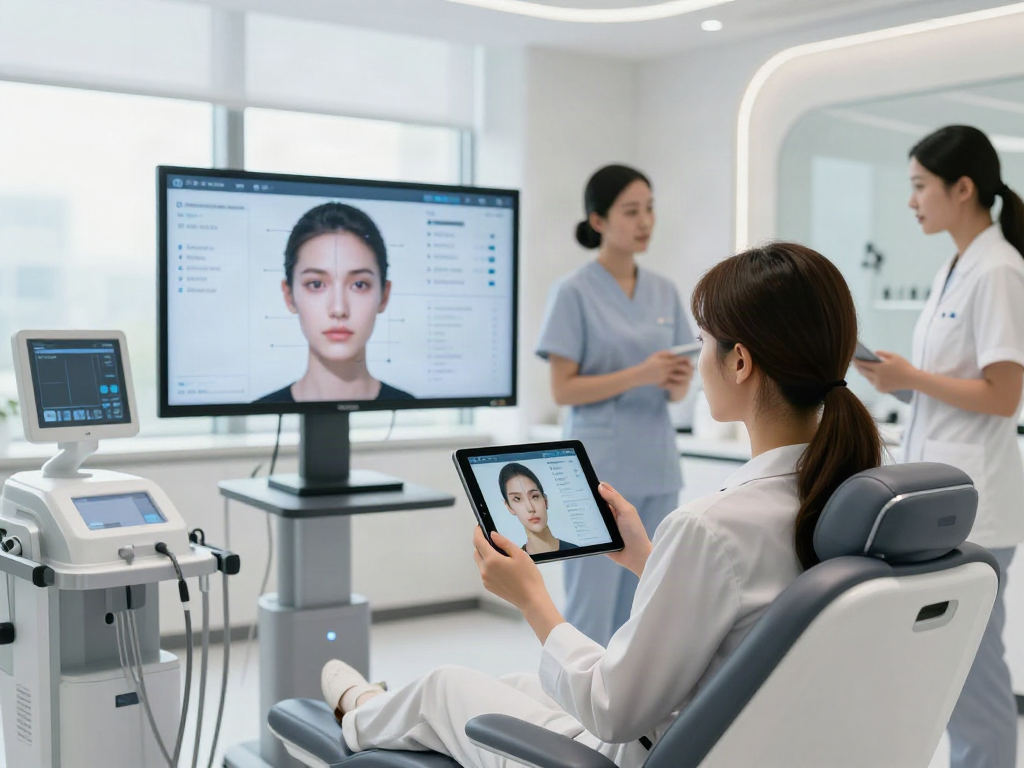
Understanding ClinicEvo vs QOVES: A Comparative Overview
In the evolving landscape of aesthetic assessments, facial analysis has gained immense traction, particularly with the advent of advanced technologies. Two leading platforms, ClinicEvo and QOVES, have emerged, each offering unique methodologies to help individuals understand and enhance their appearance. This article delves into a comprehensive comparison of these services, focusing on their features, technology, user experiences, and value for money. When exploring options, ClinicEvo vs QOVES provides comprehensive insights into the strengths and limitations of each platform.
What is ClinicEvo?
ClinicEvo is an AI-driven facial analysis platform that leverages computer vision technology to assess facial features. By utilizing state-of-the-art algorithms, ClinicEvo offers users insightful data on their facial aesthetics, allowing them to make informed decisions about potential enhancements. The platform emphasizes a personalized approach, enabling users to generate evidence-based plans tailored to their specific aesthetic goals.
What is QOVES?
QOVES offers a similarly compelling service, providing in-depth facial analysis that quantifies various aspects of a person's appearance. The platform has gained popularity due to its comprehensive reporting structure and a strong online presence, particularly among influencers and aesthetic enthusiasts. QOVES aims to deliver an objective assessment of facial features, which can help users assess their beauty norms and make decisions regarding cosmetic procedures.
Key Differences Between ClinicEvo and QOVES
- Methodology: While ClinicEvo primarily focuses on personalized insights using machine learning algorithms to tailor assessments, QOVES has a broader approach, providing detailed reports that often include surgical recommendations.
- User Interface: ClinicEvo boasts a streamlined interface designed for ease of use and navigation, whereas QOVES emphasizes an extensive reporting system that might require more interpretation from the user.
- Target Audience: ClinicEvo caters to individuals interested in evidence-based enhancements, while QOVES appeals to a wider audience, including those considering surgery and those wanting general aesthetic feedback.
Technology Behind Facial Analysis: How It Works
AI and Machine Learning in Facial Assessments
Both ClinicEvo and QOVES harness the power of AI and machine learning to deliver accurate facial analysis. These technologies analyze facial features, proportions, and symmetry, generating data that informs users about their unique facial characteristics. ClinicEvo's approach focuses on using advanced algorithms that adapt over time, learning from user feedback to enhance the accuracy and relevance of its assessments.
Data Privacy and Security Measures
As facial analysis services handle sensitive personal data, both ClinicEvo and QOVES prioritize data privacy and security. They implement stringent security protocols to protect user information, including encryption and secure data storage practices. Users are encouraged to familiarize themselves with each platform's privacy policies to understand how their data will be used and protected.
Understanding the Algorithms Used in Analysis
The algorithms employed by both ClinicEvo and QOVES are designed to provide evidence-based insights. ClinicEvo's algorithms are tailored to highlight individual features, focusing on personalized beauty standards, while QOVES uses a more generalized approach to categorize features based on their database. Understanding these algorithms can empower users to achieve more satisfying results based on their aesthetic aspirations.
User Experience: Insights from Real Clients
Client Testimonials for ClinicEvo
Many users of ClinicEvo report a positive experience, highlighting the friendly user interface and the actionable insights provided by the platform. Testimonials often mention how individuals appreciated the detailed analysis that helped them understand their unique facial features better and made it easier to communicate their desires to cosmetic professionals.
Client Testimonials for QOVES
Conversely, QOVES users frequently share their excitement about the extensive reports provided. Many appreciate the deep dive into their facial structure, although some indicate that the volume of information might be overwhelming. Users often share their journeys of self-discovery and enhancement, supported by QOVES’ recommendations.
Comparative Analysis of Customer Satisfaction
In comparing customer satisfaction, both platforms receive mixed reviews. However, ClinicEvo tends to shine in user-friendliness and personalized insights, while QOVES is noted for its comprehensive reports and community engagement. It illustrates the differing target markets: those seeking simplicity and specificity versus those desiring extensive information for broader aesthetic considerations.
Cost Comparison: Which Service Gives You More Value?
Pricing Structures and Packages Explained
ClinicEvo and QOVES have different pricing strategies reflective of their service offerings. ClinicEvo typically provides a tiered pricing model based on the depth of analysis and personalization required. On the other hand, QOVES may present a flat rate for their comprehensive reports, which can range significantly depending on the detail included.
What Do You Get for Your Money?
Understanding the value of each service also depends on individual goals. With ClinicEvo, users often gain personalized insights tailored to their aesthetic aspirations. QOVES, while slightly more expensive, offers detailed analysis and tailored suggestions, particularly appealing for users interested in a more surgical approach.
Cost vs. Benefit: Evaluating Results
Ultimately, the cost-to-benefit ratio will depend on the user's personal goals and values. Users should evaluate what they hope to achieve through facial analysis—whether it is a minor enhancement or a significant cosmetic overhaul. Each platform offers unique insights that can justify the investment.
Future Trends in Facial Analysis: What to Expect in 2026
Emerging Technologies in Aesthetic Assessments
As we look ahead to 2026, emerging technologies will continue to impact how facial analysis services operate. Innovations in augmented reality (AR) and virtual reality (VR) may allow users to visualize potential enhancements in real-time, creating a more immersive and informative experience.
Predictions for the Facial Analysis Market
Industry experts predict that the facial analysis market will expand dramatically, with increased interest from both consumers and medical professionals. Demand for personalized beauty solutions will drive platforms like ClinicEvo and QOVES to continuously enhance their offerings through AI advancements and user feedback.
Key Innovations from ClinicEvo and QOVES
Both ClinicEvo and QOVES are likely to roll out new features in the coming years, integrating user feedback to enhance their algorithms and improve the overall user experience. Innovations could include more interactive reporting tools, mobile applications, and integration with cosmetic procedure booking platforms.
What are the main features of ClinicEvo vs QOVES?
The main features of ClinicEvo include personalized facial assessments, user-friendly interface, and tailored reports focusing on individual aesthetic goals. QOVES provides extensive reports, general aesthetic advice, and a community for users to share experiences and insights.
How do pricing and service quality compare?
Pricing varies significantly between the two services, with ClinicEvo offering flexible packages based on user needs, while QOVES often has a set price for comprehensive analyses. Service quality can also be subjective and influenced by individual user experiences and expectations.
Are there any risks associated with using facial analysis services?
As with any service that relies on technology and personal data, privacy risks exist. Users should ensure they understand data handling practices and consider the emotional effects of receiving potentially critical feedback on their appearance.
What are the most common user concerns regarding facial analysis?
Common concerns include the accuracy of the assessments, data privacy issues, and the potential for fostering unrealistic beauty standards. Users are encouraged to approach the results with a critical mindset and seek professional advice where necessary.
How can I choose the right service for my aesthetic goals?
Choosing the right service depends on individual preferences. Users should consider their aesthetic goals, desired level of detail, and comfort with technology. Engaging with user reviews and perhaps trying both services through introductory offers can provide further insight into which service aligns best with personal objectives.