
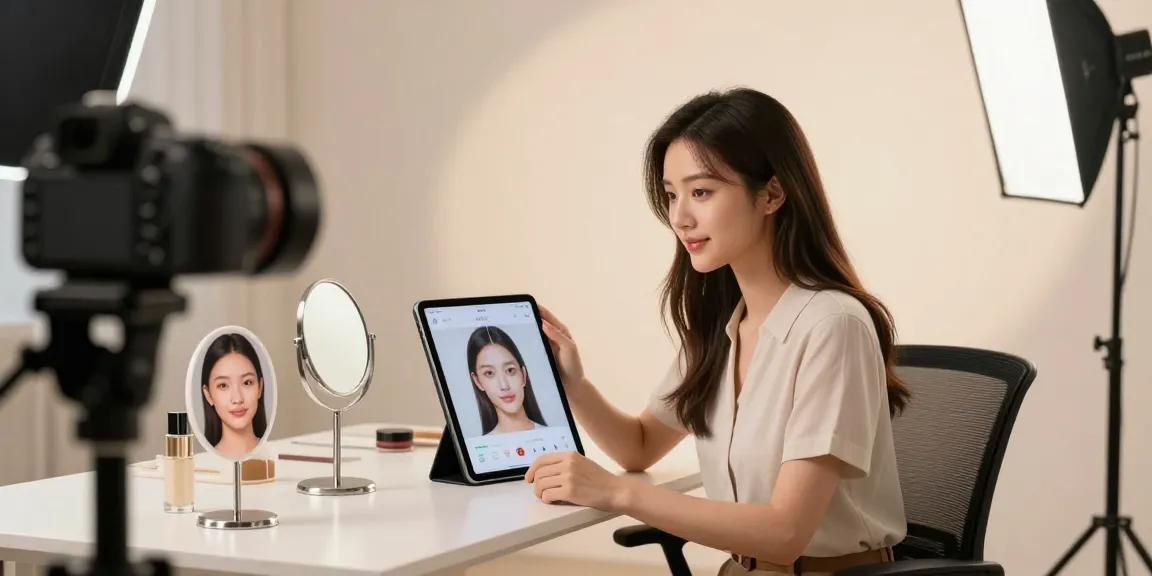
Understanding Attractiveness Testing Methods
Attractiveness tests have gained considerable traction in recent years, largely due to advancements in artificial intelligence (AI) and a growing interest in personal aesthetics. These tests allow individuals to evaluate their facial features based on various factors, from symmetry to the golden ratio. As technology evolves, the methods for assessing attractiveness have also diversified, offering potential users a plethora of tools and insights. For those contemplating their aesthetic appeal, engaging with an attractiveness test can provide valuable feedback and help one understand how their features align with conventional beauty standards.
What Is an Attractiveness Test?
An attractiveness test is a systematic method used to evaluate the visual appeal of a person's face. This evaluation usually incorporates several parameters, including facial symmetry, proportions, skin texture, and the alignment of facial features. Many of these tests utilize algorithms that analyze digital images, comparing faces against established beauty metrics drawn from psychological and sociological research. The results can often manifest in a quantitative score, a qualitative assessment, or both.
Different Types of Attractiveness Tests
As the landscape of beauty evaluation expands, there are several types of attractiveness tests available today. Key categories include:
- Facial Symmetry Tests: These tests assess the degree to which one side of a face mirrors the other. Research indicates that higher symmetry often correlates with perceived attractiveness.
- Ratio-Based Analyses: Various algorithms measure facial dimensions in relation to the golden ratio, a mathematical principle frequently associated with beauty in art and nature.
- AI-Driven Assessments: Leveraging machine learning, these tests can analyze hundreds of facial markers to provide a comprehensive attractiveness score.
- Peer Evaluations: Some platforms allow users to submit their photos for community-based ratings, providing a more subjective insight into attractiveness.
How Technology Influences Attractiveness Scoring
The integration of technology has fundamentally transformed how attractiveness is measured. Initially, assessments were often based on human judgment, which can be influenced by bias and cultural factors. Today, AI-driven technologies analyze facial features with precision and objectivity. By utilizing vast datasets that include images of diverse faces, AI systems are continuously learning what constitutes "attractiveness" across different cultures and demographics. This evolution not only enhances the accuracy of attractiveness tests but also broadens their applicability to various populations.
Analyzing AI Technology in Attractiveness Tests
How AI Measures Facial Features
AI technology employs intricate algorithms to dissect facial structures. Machine learning models are trained on millions of images, allowing the system to identify patterns associated with attractiveness. These models often focus on key features such as:
- Facial Shape: The overall silhouette and geometry of the face, including jawline, chin, and cheekbone structure.
- Symmetry: An essential measure in attractiveness, where balanced features are rated more favorably.
- Proportions: The relative size of facial elements—like eyes, nose, and mouth—are analyzed for their adherence to ideal ratios.
Benefits of Using AI in Beauty Assessments
The application of AI in attractiveness testing offers numerous benefits, including:
- Objectivity: AI removes human biases, providing a consistent framework for beauty assessment.
- Personalization: Users can receive tailored insights based on their unique facial structure rather than standard stereotypes.
- Speed: Results are generated almost instantaneously, offering immediacy for users curious about their attractiveness.
Limitations and Ethical Considerations of AI Ratings
Despite its advantages, reliance on AI for attractiveness evaluations raises ethical questions. Some limitations include:
- Data Bias: If training datasets lack diversity, the AI may inadvertently reinforce narrow beauty standards.
- Emotional Impact: Receiving a low score can have detrimental effects on a user's self-esteem.
- Privacy Concerns: The use of personal images raises significant privacy issues if data is not handled securely.
Improving Your Attractiveness Score
Practical Tips for Enhancing Facial Features
Individuals looking to enhance their attractiveness can take various proactive steps. Here are some practical tips:
- Cleansing: Regular skincare routines can enhance skin texture and appearance, making a positive difference in overall looks.
- Healthy Lifestyle: Maintaining a balanced diet and regular exercise contributes to better skin health, energy levels, and overall vitality.
- Posture and Expression: Confident body language and a warm smile can drastically improve perceptions of attractiveness.
The Role of Makeup and Grooming
Makeup and grooming can serve as powerful tools for self-enhancement. Here's how:
- Makeup Techniques: Skillfully applied makeup can highlight facial features, create balance, and enhance attractiveness.
- Grooming: Haircuts, eyebrow shaping, and skincare routines can significantly impact one's perceived appeal.
Understanding Facial Symmetry and Its Impact
Facial symmetry plays a crucial role in attractiveness assessments. Studies suggest that people often find symmetrical faces more appealing due to evolutionary cues linked to health and genetic fitness. Strategies to enhance facial symmetry can include:
- Cosmetic Procedures: Some individuals opt for surgical or non-surgical interventions to balance asymmetrical features.
- Makeup Hacks: Using makeup to create the illusion of symmetrical features can be a practical alternative for many.
Common Misconceptions About Attractiveness Tests
Debunking Myths Surrounding Beauty and Attractiveness
Despite the increasing popularity of attractiveness tests, various myths persist. Some common misconceptions include:
- Beauty Is Fixed: Many believe a person's beauty is static, when in fact, perceptions can change based on context and self-care.
- Attractiveness Equals Self-Worth: A person's value extends far beyond their physical appearance; personality and character significantly shape attraction.
What Attractiveness Tests Really Measure
Attractiveness tests primarily evaluate visual features, but they do not account for other crucial factors such as charisma, intelligence, and emotional connection, which can profoundly influence attraction.
Understanding Personal Preferences in Beauty
Individual differences in attractiveness preferences highlight the subjective nature of beauty. Factors like cultural background, personal experiences, and social influences all contribute to how attractiveness is perceived, emphasizing that beauty truly lies in the eye of the beholder.
The Future of Attractiveness Testing: Trends in 2026
Emerging Technologies in Beauty Assessments
As we look towards 2026, the landscape of attractiveness testing is poised for further evolution. Emerging technologies may introduce virtual reality (VR) and augmented reality (AR) into beauty assessments, allowing users to visualize changes in appearance before making any physical adjustments.
Consumer Trends and Shifts in Attractiveness Perception
Market shifts are anticipated as consumers become increasingly aware of the diverse nature of beauty. A growing trend toward inclusivity and diversity in beauty standards may lead to broader acceptance of various facial features, reducing the stigma associated with traditional attractiveness tests.
Implications for the Beauty Industry and Self-Image
The implications for the beauty industry are substantial. As aesthetics assessments become more accessible and nuanced, there will likely be a shift in how beauty products and services are marketed. Companies may focus on empowerment and self-care, promoting diverse representations of beauty that resonate with an increasingly aware consumer base.