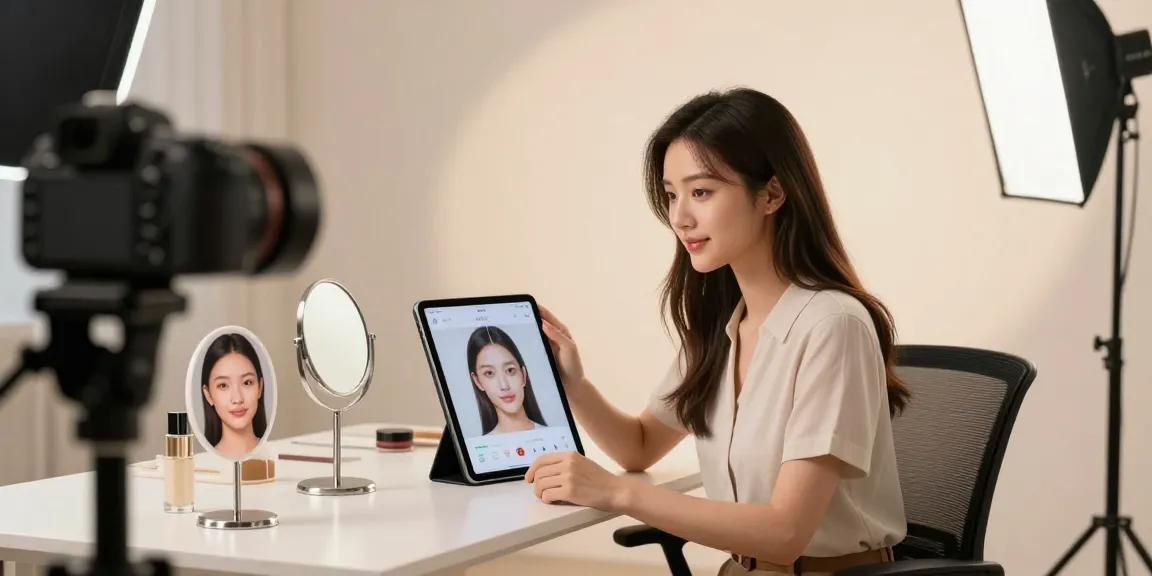

Understanding the Concept of Age Estimation Based on Facial Features
With the rapid advancement of technology, age estimation based on facial features has become an engaging topic for many. Ever wondered how people perceive your age based on your facial appearance? This curiosity has led to the rise of various online tools, such as AI-powered applications designed to estimate age simply by analyzing pictures. In this article, we delve into the science and technology behind these tools, exploring how they work and their growing popularity. For those interested in exploring further, how old do I look tools provide insightful analyses and are widely accessible.
What Technology Powers Age Estimation Tools?
Age estimation technologies primarily rely on artificial intelligence and machine learning algorithms. These systems analyze various facial features, including skin texture, wrinkles, and structural characteristics, to predict a person's perceived age. Machine learning models are trained on vast databases comprised of photographs annotated with actual ages, allowing them to recognize patterns associated with aging.
Initially, these technologies utilized simple rules-based systems, but today’s age estimation tools are complex and highly sophisticated, using deep learning techniques to improve their accuracy. Neural networks, particularly convolutional neural networks (CNNs), excel at image recognition tasks, making them ideal for this application.
The Science Behind Facial Aging: How it Works
Facial aging can be attributed to a combination of biological and environmental factors. Biologically, skin loses collagen and elastic fibers as people age, causing it to sag and form wrinkles. Additionally, external factors such as sun exposure, smoking, and diet play significant roles in accelerating the aging process.
The technologies that power age estimation tools often measure specific facial features that indicate age. For instance, the presence of dynamic wrinkles, static wrinkles, and changes in skin tone all signal aging. Age estimation algorithms analyze these features and correlate them with the vast datasets to provide an estimated age.
Popular Methods for "How Old Do I Look" Online
Several popular online platforms offer age estimation services, each with its unique approach. For instance, some platforms allow users to upload photos or use live cameras to analyze their facial features in real-time. Others might offer gamified experiences, where users can guess their age before revealing the AI-generated estimate. The most reputable platforms ensure privacy and data security, addressing common concerns about sharing personal images online.
Real World Applications of Age Estimation Technology
The applications of age estimation technology extend beyond mere curiosity. Businesses and individuals alike are harnessing its benefits in various fields. For example, marketers use these tools to tailor advertising strategies to specific age demographics, improving engagement and conversion rates.
How Businesses Utilize Age Estimation for Marketing
Companies are increasingly leveraging age estimation technologies to enhance their marketing strategies. By analyzing customer demographics, businesses can tailor their offerings to better meet the preferences of different age groups. For instance, a beauty brand might focus its marketing on products that appeal to a younger demographic, while a retirement planning service might target older individuals.
Moreover, these tools can help personalize customer experiences. By estimating a user’s age, brands can offer personalized product recommendations or targeted advertisements, increasing the likelihood of purchase. This data-driven approach has proven effective in maximizing ROI on marketing campaigns.
Personal Use Cases: Fun and Beyond
For individuals, age estimation tools serve as a playful and interactive way to engage with their appearance. Many users upload photos to see how they are perceived by others. This can serve as a confidence booster or a fun social media challenge among friends. Beyond the fun aspect, these tools also encourage self-reflection regarding skincare and overall health.
Impact on Social Media and Online Communities
Social media platforms have seen a surge in the use of age estimation tools, with users posting their results for followers to see. This has fostered a community around the concept of aging gracefully, where individuals share tips and tricks for maintaining a youthful appearance. Furthermore, these tools have contributed to discussions about societal standards of beauty and the pressures of aging, creating a broader dialogue about acceptance and self-image.
Challenges and Limitations of Age Estimation Tools
Despite their growing popularity, age estimation tools are not without challenges. Users should remain cognizant of the limitations inherent in these technologies, particularly regarding accuracy and ethical considerations.
Understanding the Accuracy of AI Predictions
While many age estimation tools boast impressive accuracy rates, no algorithm is perfect. Factors such as lighting, photo quality, and individual facial characteristics can significantly influence the results. Users should understand that these tools provide estimates rather than definitive answers. Additionally, the effectiveness of these models varies across different demographics, with some groups potentially experiencing discrepancies in accuracy.
Potential Ethical Concerns with Facial Data Usage
The use of facial recognition technologies raises significant ethical concerns, particularly regarding privacy. Users must consider who has access to their images and how this data is utilized. There is a valid concern over potential exploitation or misuse of facial data, making it essential for companies to prioritize transparency and security.
Addressing Misconceptions about Age Estimation
Many misconceptions exist regarding age estimation tools. Some users may expect these tools to deliver overly precise results, while others might believe that facial appearance is a straightforward reflection of one’s biological age. It is essential to communicate the nuances of these predictions, educating users that various factors influence aging, and emphasize that these tools should be treated as entertainment rather than definitive assessments.
Best Practices for Using Age Estimation Tools
To enhance the experience and accuracy of using age estimation tools, users should adhere to several best practices, ensuring they receive the most reliable results possible.
Tips for Accurate Photo Uploads
For optimal results, users should select high-quality images that adequately represent their current appearance. This includes ensuring sufficient lighting, avoiding filters, and capturing a straight-on view of the face. Additionally, following platform-specific guidelines on photo uploads can further improve accuracy.
How to Interpret Your Results Effectively
When receiving an age estimate, users should interpret the results with a critical mindset. Understanding that these are estimates influenced by numerous factors will help mitigate disappointment or misinterpretation. Considering the results as part of a broader context, including lifestyle choices, can lead to more meaningful self-reflection.
Protection of Privacy: Keeping Your Data Safe
Ensuring privacy is crucial when using online age estimation tools. Users should investigate the privacy policies of the platforms they choose to use, ensuring they are comfortable with how their data will be handled. Opting for tools that prioritize user privacy and data security will safeguard personal information from potential misuse.
Future Trends in Facial Age Estimation Technology
As technology continues to evolve, so too will the capabilities of age estimation tools. The next few years are likely to see significant advancements that could revolutionize how we perceive and engage with our age.
What to Expect in Age Estimation Innovations by 2026
The future of age estimation technology is promising, with advancements predicted in AI and machine learning capabilities. New algorithms could provide even greater accuracy and reliability, tailoring predictions to individual users based on a wider array of data points. Furthermore, the integration of augmented reality (AR) could allow users to visualize aging effects in real-time.
The Role of AI in Enhancing User Experience
AI's role in enhancing user experience cannot be overstated. Future tools may offer a more personalized approach, adapting their predictions based on user interactions and feedback. This could lead to increasingly engaging experiences that extend beyond simple age estimation, incorporating wellness advice and skincare recommendations tailored to perceived age.
Emerging Market Trends and Their Implications
The rise of wellness culture and increasing focus on self-care are trends that will likely drive the growth of age estimation tools. As consumers seek to understand and improve their appearances, demand for these technologies will rise. This trend presents opportunities for businesses to innovate and provide solutions that complement age estimation, such as skincare products and personalized wellness programs.
What is the best age estimation app available?
While numerous applications are available, the best age estimation app will depend on individual preferences, ease of use, and core functionalities. Look for apps that have secure data handling, high user ratings, and positive reviews regarding accuracy.
How accurate are AI age estimators?
AI age estimators can be moderately accurate, but their precision is subject to limitations based on various factors, including the quality of input photos and the algorithms used. Users should approach these results with a balanced mindset.
Can I trust these online tools with my data?
Trusting online tools with personal data largely depends on the platform's privacy policies and reputation. Always choose reputable applications that clearly outline how they protect user information.
Is there a way to improve the age estimation results?
Improving the accuracy of age estimation results involves using high-quality images and adhering to the platform’s guidelines. Regularly updating your profile with new photos may also lead to improved personalization in predictions.
What features should I look for in an age estimator?
When selecting an age estimator, consider features like user privacy controls, ease of use, and additional functionalities such as skincare advice. Platforms that provide educational resources about aging and health could offer added value.